One of the most efficient methods for getting targeted traffic to your site is through pay-per-click (PPC) advertising. Nevertheless, if you do not have an appropriate budget management strategy, you will soon exceed your budget without getting any nice results.
What is a PPC Advertising Budget?
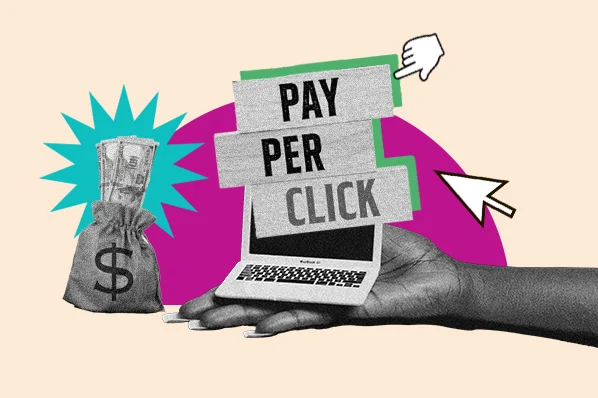
A PPC advertising budget is a specific amount of money set aside for online advertising paid campaigns. Different from organic marketing, PPC makes you pay for every click on your ad. If you manage your budget properly, there will be a guarantee of getting the highest possible return on investment (ROI), and at the same time, no unnecessary spending will occur.
1. Set Clear Goals
Before you divide your budget, first state what you expect from your PPC campaigns. The frequently mentioned objectives are:
1: Website traffic increase
2: Lead or sale generation
3: Brand awareness enhancement
4: Promotion of a particular product or service
Having the goals set straight helps you decide on the amount to spend and the platform to target, whether it be Google Ads, Bing Ads, or social media advertising.
2. Total Budget Estimation
The first step is to see how much you are willing to spend on PPC each month. Analyse your total marketing budget, business size, and campaign objectives. Normally, for a small-sized company, it is better to start with an already small budget and then to increase it depending on performance analysis.
3. Campaign-Based Budgeting
Campaigns differ in terms of their impact. Set your budget according to the order of importance:
1: Primary campaigns for selling the most products or services
2: Retargeting campaigns to attract previously non-responsive visitors
3: Testing campaigns to try out new keywords or audiences
Your budget allocation through this approach guarantees that the campaigns with the highest potential ROI are the ones you are investing in.
4. Keep Track Of Your Spending And Adjust It
PPC campaigns need to be monitored continuously. Measure the following key metrics:
1: Click-through rate (CTR)
2: Cost per click (CPC)
3: Conversion rate
4: Return on ad spend (ROAS)
Performing budgets should be changed. For instance, campaigns that create leads can have their spending increased, while those that are not performing well can have their spending reduced.
5. Take Advantage of Bid Strategies
A lot of PPC platforms give the option to use automated or manual bid strategies. Pick a strategy that is in sync with your goals:
Manual bidding: Provides absolute control over the payment per click
Automated bidding: Leverages algorithms to get the maximum results possible within the budget
Target CPA or ROAS: Concentrates on the cost per unit sold or revenue generated
Picking the proper bidding strategy enables you to get more out of your budget.
6. Common Budget Mistakes to Avoid
Here are some traps to be aware of:
1: Overbidding on not-very-related keywords
2: Missing out on setting up negative keywords
3: Not thinking about mobile optimization
4: Not tracking conversions in the right way
By preventing these errors, you make sure that each dirham in your PPC budget is more profitable for your business.
7. Progressive Growth
After you have discovered the campaigns that give good results, slowly raise your budget. Rapidly expanding can often result in spending the budget inefficiently if the campaigns are not yet completely optimized. So always try testing minor adjustments and evaluating their effect.
Effective management of a PPC advertising budget requires thorough preparation, constant supervision, and strategic modifications. By having clear objectives, carefully distributing and later on optimizing the funds allocated to ads, you will be able to get the most out of your paid advertising without having to spend more than necessary.
You have landed up on the exact right page. Ingenious digital marketing management is the right place to help you optimize and supervise your campaigns and give you the best results in accordance with your goals.