Colour is one of the most powerful sensors in branding. This is true because before a customer even lays eyes on the brand name or accepts a product, colour is already inducing a psychological response that will create a desired approach toward the product should the name itself not be appealing enough. Thus, companies put extra effort into designing colour schemes that connect their personalities and build consumers’ trust and their influence on spending.
We will refer to colour psychology in branding, what it is, and its general importance as well as how the contemporary markets can exploit colour selection to bolster brand identity.
What is Colour Psychology in Branding?
Colour Psychology is the study of the impact of colour on human emotions, thoughts, and actions. Please note that when colours are used in branding, they provide meaning to a brand’s value, personality, and message without using words.
When it comes to forming an opinion of a product, research indicates that a person will make their decision in just a few seconds. A brand’s colour choice has a significant influence on a consumer’s first impression of that brand; therefore, the appropriate colour choice can portray a brand as credible, energetic, premium, or soothing.
Why Colour Matters in Branding
Colour is not just something that makes the company look good; it directly affects marketing and how customers view the company/brand.
Here are some important reasons why colour psychology is so important:
To make an impact from the moment someone sees the company
To help recognize a brand
To create emotions for customers
To encourage them to buy from your company
To help differentiate a brand
If you use a colour the same way every time, then customers will start to associate that colour with your company, which can greatly improve the way they recognise your brand.
Meaning of Popular Brand Colours
Brands use red to convey their enthusiasm, urgency, and energy. The colour red has been known to capture the consumer’s attention immediately. Therefore, it tends to be used by industries such as food, entertainment and retail.
Red – Energy and Passion
When choosing a brand colour, brands tend to use red in order to present their brand images with boldness, enthusiasm and an active orientation.
The colour blue has become known as a trustworthy and dependable colour. Many corporate brands use this colour because consumers feel they have security and confidence in their purchases when presented.
Blue – Trust and Reliability
The finance, technology, and healthcare industries heavily incorporate blue in their brand identity.
Using yellow symbolises warmth, positivity, and friendliness. Brands can incorporate it to create a cheerful and friendly brand image.
Yellow – Optimism and Happiness
Yellow should be used sparingly because excessive amounts of yellow can be overwhelming for the viewer.
The color Green is associated with the environment, the future and good health and represents harmony and balance.
Green – Growth and Health
Green is typically the colour of choice for eco-friendly companies and companies promoting good health and organics.
The colour black has elegance, strength, and sophistication. Therefore, using black is common among luxury brands because it helps portray a sense of luxury as well as exclusivity.
Black – Luxury and Sophistication
This is something many fashion & beauty brands use to give off a high-quality feel even though they may not necessarily produce high-quality goods.
Purple – Creativity and Royalty
Purple can be described as a mixture of the creativity of red with the dignity of blue. Historically, the use of purple dye made purple clothing very expensive, which may explain why the colour is commonly used by beauty brands, creative businesses and products aimed at a premium audience.
Orange – Enthusiasm and Creativity
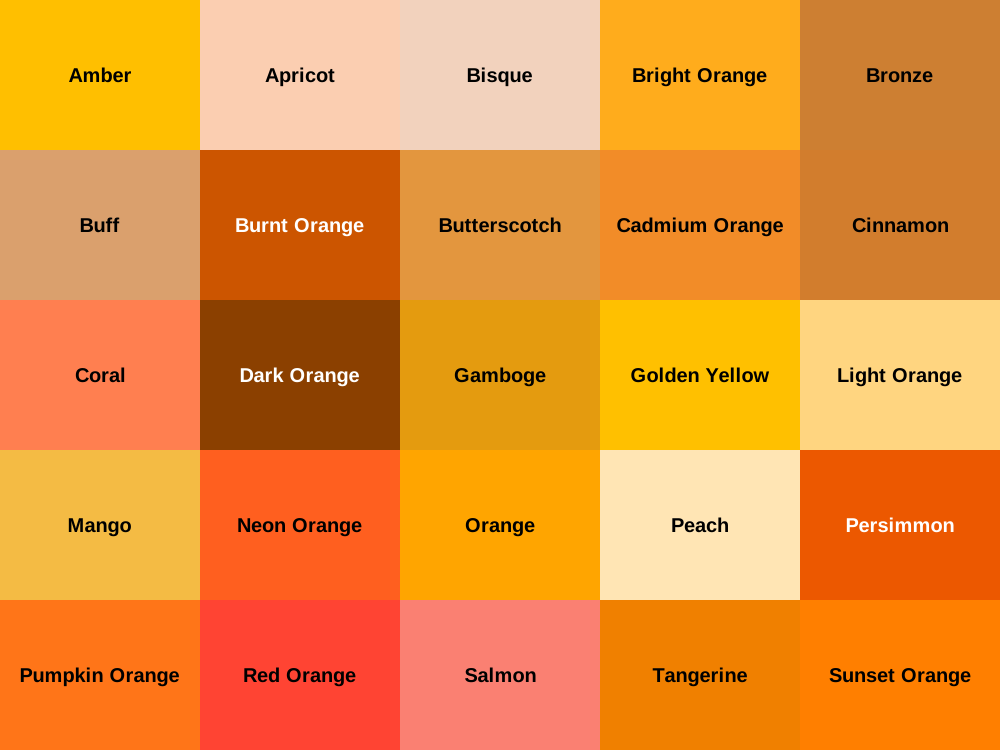
Orange blends the energising effect of red with the cheerful effect of yellow, giving it a combination of creativity, adventure, and fun. Orange is frequently associated with brands that want to look inventive or to be associated with playful products or activities.
How to Choose the Right Colour for Your Brand
There are many strategic reasons to consider your target audience, industry and brand personality when selecting an appropriate brand colour palette.
Here are some simple tips on choosing a colour palette for your brand:
Identify Your Target Market
Each demographic and cultural group may respond differently to different colours. Thus, it’s important that you know who your target market is.
Identify Your Brand Personality
How do you define your brand? Is it playful, professional, high-end or environmentally friendly? Your colour should represent your brand.
Study Competitive Brands
Research what other brands are doing within their respective industries, and make your colour(s) differ from theirs to stand out.
Establish Colour Consistency
The majority of brands choose one primary colour along with two to three secondary colours to achieve a sense of balance.
Research Your Colour Across Multiple Platforms
Be sure to research how your colour will look on multiple platforms, including your website, social media, packaging and/or marketing materials.
Common Colour Mistakes in Branding
Brand Identity is harmed by selecting the wrong colour for a brand. These are common colour mistakes brands make:
Too many colours
Selecting colours that don’t align with the brand’s values
Ignoring colour’s cultural significance
Using different colours across all forms of marketing
The use of a simple, consistent colour palette creates a strong brand identity.
Final Thoughts
Colour psychology is essential to branding and marketing. The appropriate colours will determine how people will feel towards your brand and steer them in making a decision to purchase from you. This will help with brand recognition as well. When working with colour effectively, colours will serve a greater purpose than just being applied as part of the design.
They will function as an effective tool for communicating with consumers about your brand emotionally. By having a clear understanding of how to effectively use colour psychology, it means you will have a stronger identity in your market while leaving your audience with a memorable image in today’s extremely competitive environment.